
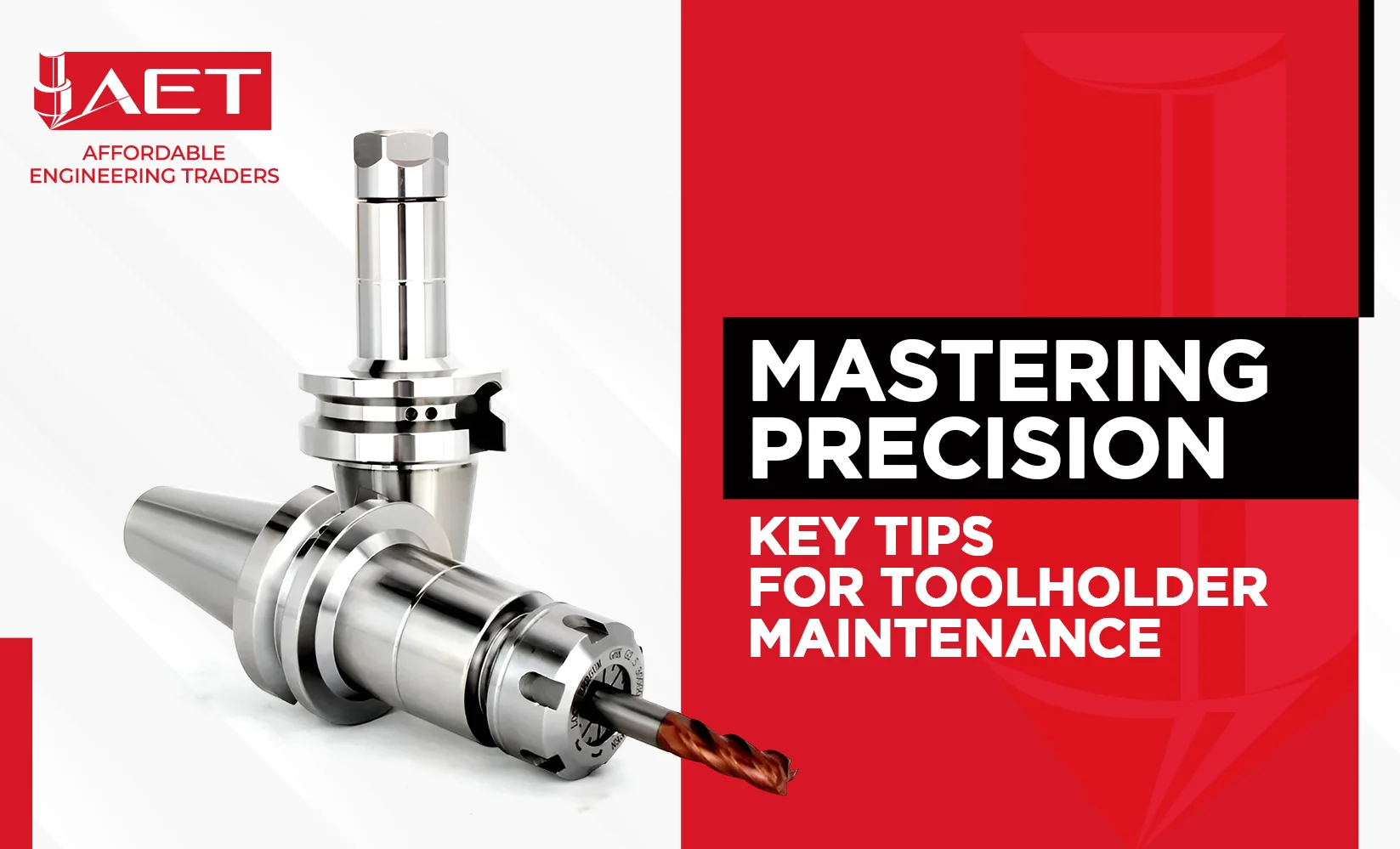
When precision machining is concerned, tool maintenance is as important as selecting the best tools. And most overlooked is that essential part – the toolholder – that connects your cutting tool with the machine spindle. We at Affordable Engineering Traders, feel that safety, ease of operation and value for money are essential. So following are some of the most critical toolholder tips that will make your life easier and ensure you get the best performance out of your investment while saving it.
Why Toolholder Maintenance Matters
A well-maintained, properly cared for toolholder guarantees accurate machining, avoids unnecessary wear on tools and minimizes the chances of accidents. Cutting corners on these fundamentals may be a habit, but it can lead to expensive downtime, destroyed parts or even injuries.Smart Storage Solutions
- Clean After Use: Clean and wipe away any dirt or excess coolant after each use. Excess coolant will cause corrosion, especially in moist weather.
- Apply Protective Coating: Grease the cleaned toolholders lightly to create a protective coating.
- Organized Storage: Always return them in labeled drawers, carts or lockers. Proper storing not only prolongs tool life but also keeps your work area safe.
Care for Adaptors and Spindles
- Adaptors: Wash them after every use and lubricate them. Adaptors with rust mean tools are not put in the correct position and can cause tool breakage or poor machining output.
- Spindles: Spindle wipers must be used to wipe toolholders frequently. A soiled spindle reduces grip capability and generates runout. Inspect for surface wear or fretting marks before putting toolholders on.
Avoiding Damage: What to Watch For
- Regular Inspection: Check toolholders for scratches, dents or wear. Defective holders decrease the stability and precision of the tool.
- Clean the Bore: Clean the bore regularly to prevent dust and grease accumulation, which will loosen the tool’s hold.
- Follow Manufacturer Guidelines: In hydraulic chucks and shrink-fit systems, have appropriate clamping lengths according to manufacturer recommendations.
Use the Right Tools for the Job
- Use Torque Wrenches: Limit hiring torque wrenches to ensure correct tightening torque on parts, minimizing runout and vibrations.
- Proper Length Adjustments: Length adjustments must always be done by means of stop screws in order to avoid overextension and spindle or toolholder damage.
Best Practices for Long-Term Savings
We at Affordable Engineering Traders believe in value for the long term. Take these preventative measures to minimize wear and ensure safety:- Set Up Cleaning Stations: Stock your shop with cleaning agents and wipers intended for toolholder maintenance.
- Label and Track Usage: Employ identification tags in tracking toolholder type, usage and service history.
- Control Storage Conditions: Store toolholders in environments with a stable temperature and humidity to avoid corrosion.
- Use the Right Lubricants: Match the lubricant for the material and toolholder type to achieve optimum performance.
- Train Your Staff: Train your operators in the importance of maintenance, it creates a sense of responsibility and care.


